Operations & Territory
Staffing models, equipment tech, real estate strategy, and what the day-to-day actually looks like.
Operating Model
Staffing & Management
Lean staffing model with 24/7 unmanned access. How the labor cost advantage works in practice.
Read more ↓Technology & Equipment
Infrared sauna technology, virtual instruction platform, and equipment lifecycle planning.
Read more ↓Real Estate & Territory
Site selection criteria, territory analysis, demographics, and lease negotiation strategy.
Read more ↓Staffing & Management
The Hotworx staffing model is one of the most capital-efficient in the boutique fitness space. The 24/7 unmanned access model, powered by virtual instruction and keycard/biometric entry, eliminates the largest variable cost in traditional fitness: per-class instructor labor.
A typical Hotworx location operates with 2–4 employees: a full-time studio manager who handles member relations, sales, and day-to-day operations, plus 1–2 part-time front desk associates for peak hours and a cleaning contractor. Total monthly payroll runs $4,000–$8,000 depending on local wage rates.
Semi-absentee ownership is a viable path, but the data is clear: owner-operators who are hands-on during the first 6–12 months consistently achieve faster membership ramp-up and higher retention rates. The studio manager hire is the single most important staffing decision — this person drives your sales culture and member experience. For a detailed walkthrough of what the first 90 days actually look like, see our owner timeline. For a breakdown of what the mandatory marketing program actually costs, see our marketing analysis. For the full picture of what semi-absentee ownership actually demands week-to-week, see our semi-absentee ownership analysis. And for why our pre-sale execution playbook shows that the 60–90 days before opening determine your first two years, see the pre-sale analysis.
After the initial ramp period, the operational time commitment for an absentee owner drops to 10–15 hours per week, primarily focused on financial oversight, marketing strategy, and staff management. For a deeper look at the staffing reality from the employee side, see what 500+ employee reviews reveal about staffing. For how the post-pandemic attendance reset affects your churn assumptions and marketing budget requirements, see our attendance frequency analysis.

Technology & Equipment
Hotworx's core technology is its proprietary infrared sauna pods — heated workout chambers that combine infrared energy with isometric and HIIT exercises via virtual instruction. The science-backed premise: infrared heat increases core temperature, boosting calorie burn and enabling recovery benefits beyond what ambient-temperature workouts deliver.
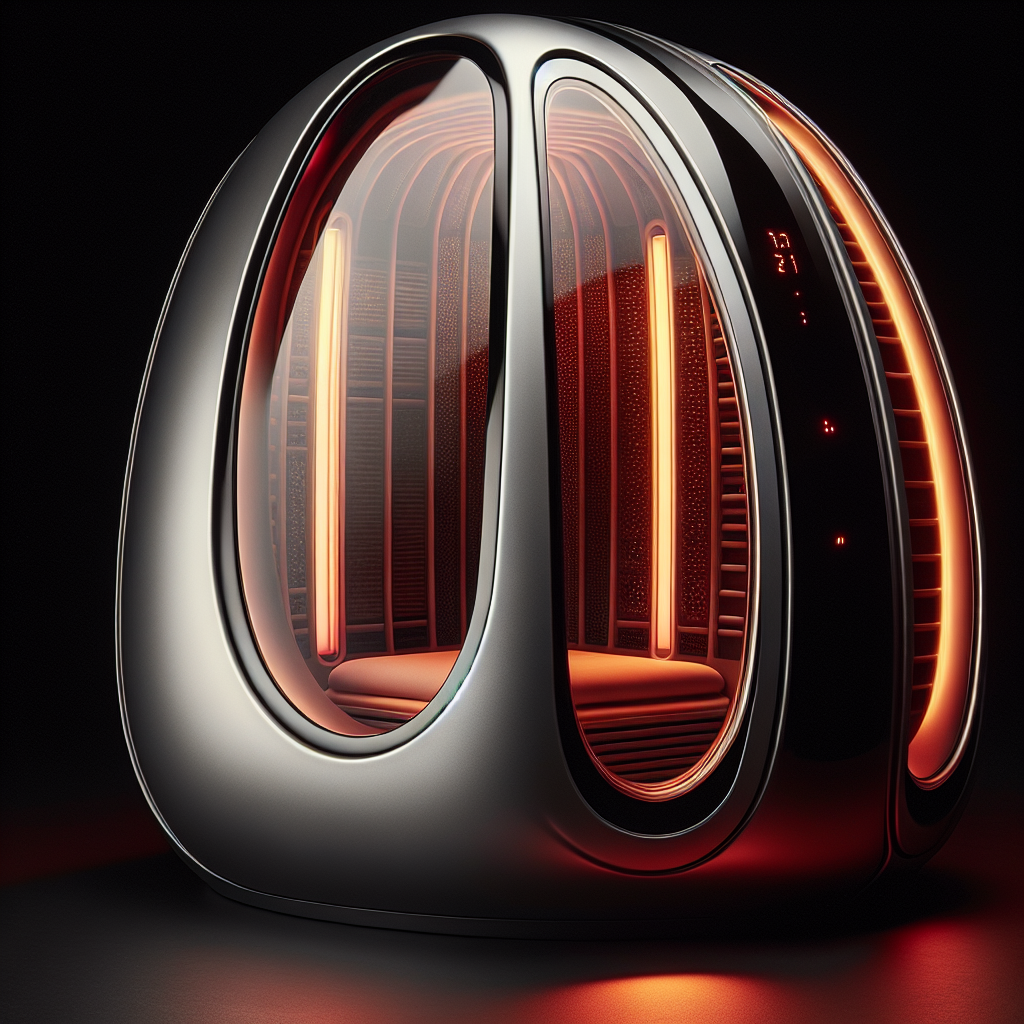
The equipment package is proprietary and sourced exclusively through the franchisor — there are no third-party alternatives. This creates a vendor lock-in that operators should factor into their long-term cost planning. Replacement parts and service are also franchisor-controlled. If tighter regulation requires equipment modifications, that lock-in means you pay the franchisor's price — see the full infrared safety regulation analysis for compliance cost projections.
The virtual instruction platform delivers pre-recorded workout sessions to screens inside each sauna pod. Members select their workout, the session begins automatically, and the technology handles the rest. This eliminates instructor scheduling, no-shows, and quality inconsistency — but it also means the workout experience is less personalized than instructor-led alternatives. In April 2026, Hotworx launched TrainingTRAX to address this gap — see our analysis of TrainingTRAX and its franchise impact.
Access control technology (24/7 keypad or biometric entry), security camera systems, and member management software round out the tech stack. Monthly software and technology fees run $200–$500. For a full breakdown of the utility and technology costs of running 24/7 infrared saunas, including the electricity draw that sets Hotworx apart from conventional fitness studios, see our hidden costs analysis. For a detailed breakdown of what that refresh actually costs, see our equipment lifecycle and replacement capex analysis. For our technology dependency risk analysis, including what vendor lock-in means for your 10-year cost model, see the full tech stack breakdown.
Territory & Site Selection
Hotworx grants protected territories based on population density, typically covering a defined radius or zip code cluster. Territory availability varies significantly by market — major metros like Dallas, Houston, and Atlanta have high saturation, while secondary and tertiary markets still have significant open territory.
Site selection criteria for a successful Hotworx location include:
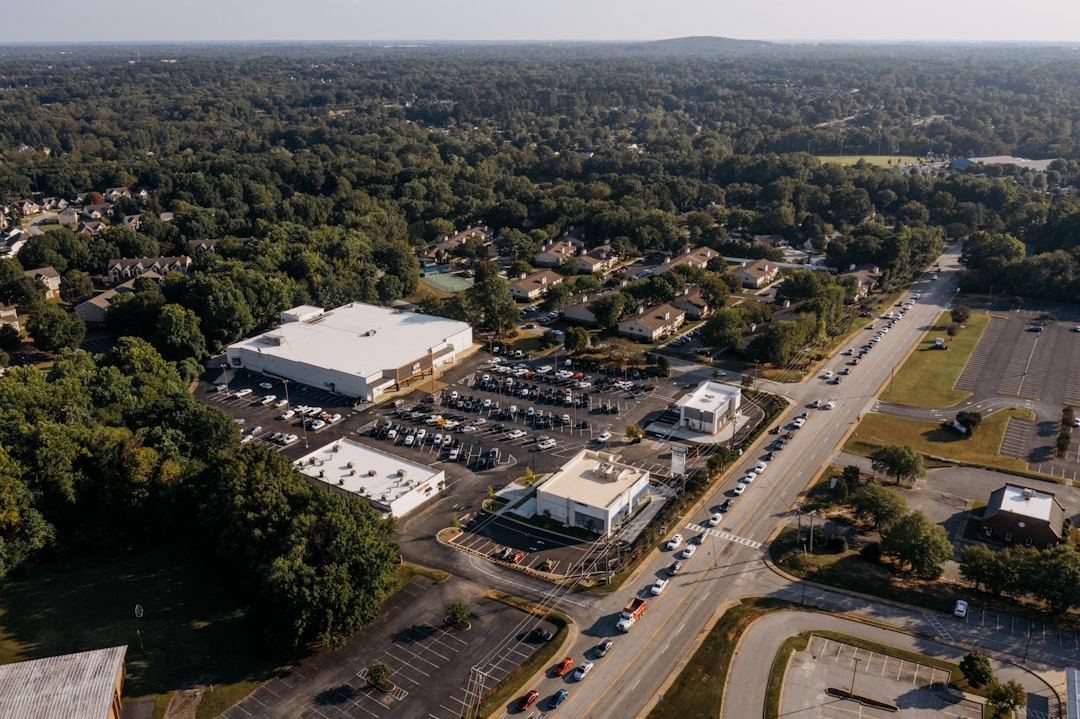
- Visibility and foot traffic: End-cap or standalone retail in high-traffic shopping centers with co-tenants that drive the target demographic (grocery anchors, coffee shops, salons).
- Demographics: Median household income above $60K, high concentration of health-conscious consumers aged 25–54, and proximity to residential neighborhoods.
- Parking: Adequate parking is non-negotiable for fitness concepts. Members need convenient access, especially for early morning and evening sessions.
- Competition density: Evaluate the number of boutique fitness studios within a 5-mile radius. Some competition validates demand, but oversaturation suppresses membership growth. See our territory saturation analysis for a step-by-step framework.
- Lease terms: Target 5-year initial terms with at least one 5-year renewal option. Negotiate TI allowances, rent abatement during buildout, and controlled annual escalation (2–3%). For the complete real estate playbook, see our site selection and real estate playbook.